FAQ
Straight answers.No legalese.
What people ask before they hire us, and what they wish they’d known sooner.
Does it cost anything to talk to you?
The case review is free. If we can help, we’ll explain how the fee would work before you agree to anything.
My claim was denied months ago. Is it too late?
Maybe not. But deadlines in insurance and billing disputes can be short, and some are set by the policy itself. Don’t wait to find out.
Do I need a lawyer, or can I handle this myself?
Some disputes can be handled alone. Insurers and large providers have lawyers on staff. If yours is serious, you should too.
Will I have to go to court?
Many disputes are resolved without trial. We prepare every one as if it might go there, because that’s what moves the other side.
What should I do right now?
Stop giving recorded statements, don’t sign releases, keep every letter and bill, write down every call, and send us what you have.
Do you handle cases outside Oklahoma City and Tulsa?
Yes. We handle insurance and billing disputes across Oklahoma.
Is what I send you confidential?
Treat the website form as a first contact, and don’t include anything you’d be uncomfortable sharing. Submitting it does not create an attorney-client relationship.
Does it matter whether my insurance is through work?
Yes. Many employer plans are governed by a federal law called ERISA, which has its own appeal process and rules. Individual and government plans work differently.
How long can an insurer take to pay a claim?
It depends on the policy and the type of insurance, and Oklahoma law and regulations require insurers to handle claims promptly. Unreasonable delay in paying a valid claim can be part of a bad-faith case.
My insurer says the damage is old. Is that the end of it?
No. “Pre-existing damage” and “wear and tear” are among the most common reasons given for storm denials. The question is what the evidence shows, and insurers don’t get the last word on that.
They want me to give a recorded statement. Should I?
Get advice first. Statements and examinations under oath are used to look for reasons to deny.
Isn’t my own insurance company on my side?
On a UM or UIM claim, your insurer pays more if it values your claim higher. That’s why the law imposes a duty of good faith and fair dealing.
What is the contestability period?
Many life policies give the insurer a limited window, often two years, to challenge statements on the application. What your policy says, and what happened inside that window, matters.
Our policy has a business interruption section. Why was it denied?
Denials often turn on the policy’s definitions of the period of restoration and covered cause of loss. Those definitions are where the fight usually is.
What is insurance bad faith?
In Oklahoma, an insurer owes its insured a duty of good faith and fair dealing. Unreasonably withholding payment of a valid claim can breach that duty. It’s a separate claim from breach of contract.
My provider says insurance denied it, so I owe it. Is that true?
Not always. If the denial is the insurer’s mistake or isn’t allowed under your plan, the fight is with the insurer, and you may not owe the bill.
Can I ask for an itemized bill?
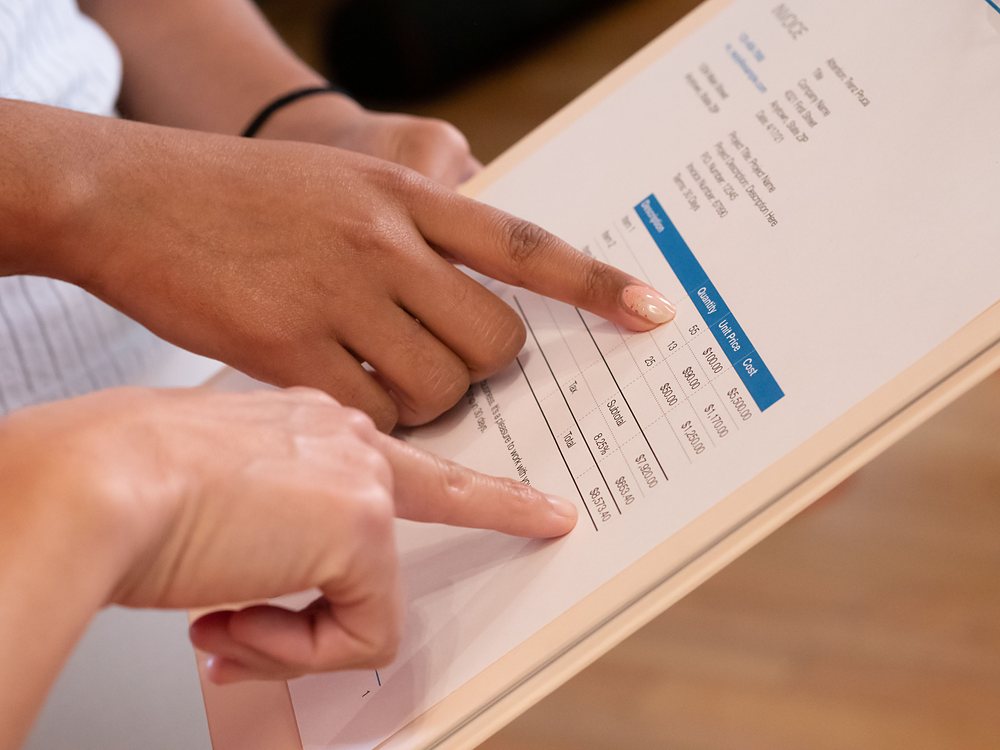
Yes. Always ask. A summary bill tells you nothing; an itemized bill shows what you’re actually being charged for.
Does the No Surprises Act cover every bill?
No. It covers specific situations, mainly emergency services and certain out-of-network care at in-network facilities, plus good-faith estimates for uninsured and self-pay patients. We’ll tell you if yours qualifies.
Do I have to pay the full amount of the lien?
Not necessarily. Liens can be challenged and negotiated, and some don’t meet the legal requirements at all.
What does “validate the debt” mean?
You can require a debt collector to provide information about the debt and verify it. Timing matters: there’s a window after the collector’s first notice.