
No Surprises Act · Out-of-network · Estimates
You didn’t choose that doctor.You don’t owe that bill.
The federal No Surprises Act, in effect since 2022, protects patients from many surprise bills: most emergency care, and certain out-of-network providers at in-network hospitals. Uninsured and self-pay patients also have the right to a good-faith estimate. Providers still send these bills. We send them back.
Red flags
Signs they’re playing games.
- An out-of-network bill after emergency care
- A bill from an anesthesiologist, radiologist or other provider you never picked at an in-network facility
- A final bill far above your good-faith estimate as a self-pay patient
- A provider billing you the difference between their price and what insurance paid

What we do
How we fight it.
- 01
Identify which protections apply to your bill
- 02
Dispute the charges with the provider and your plan in writing
- 03
Use the federal dispute processes where they apply
- 04
Escalate when a provider keeps billing what the law doesn’t allow
Questions
Surprise & Balance Billing, answered.
Does the No Surprises Act cover every bill?
No. It covers specific situations, mainly emergency services and certain out-of-network care at in-network facilities, plus good-faith estimates for uninsured and self-pay patients. We’ll tell you if yours qualifies.
I’m uninsured and the bill is much higher than my estimate. Can I dispute it?
Federal rules allow uninsured and self-pay patients to dispute a bill that’s substantially higher than the good-faith estimate, through a set process with a deadline. Act quickly.
Also
Other fights we take.
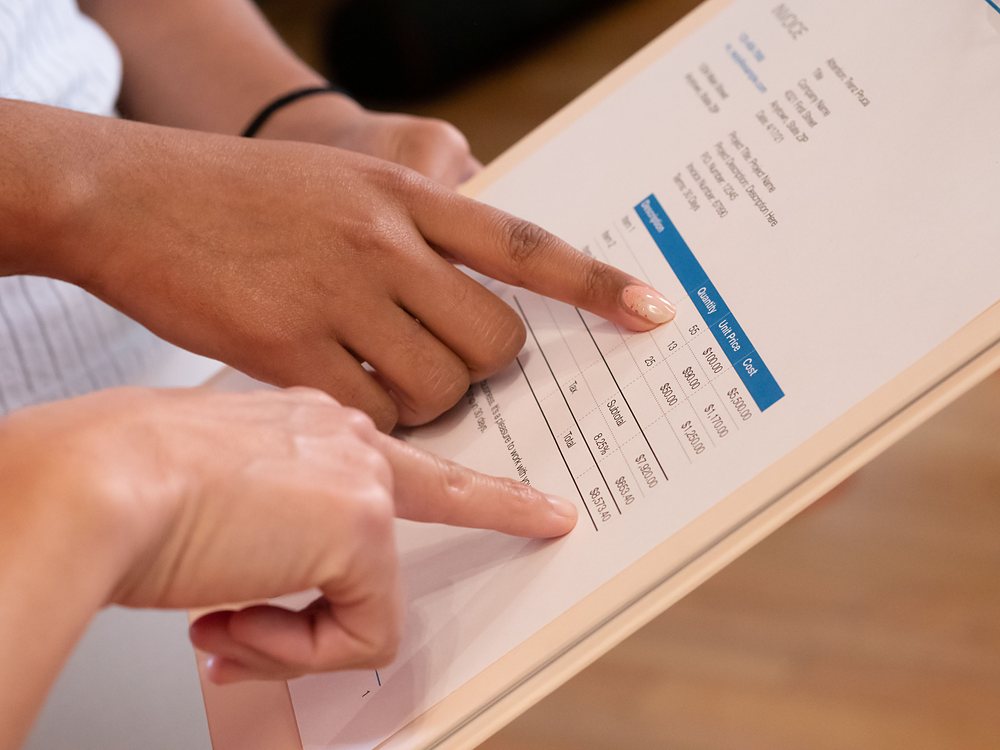
Insurance Billing Disputes
Your insurer processed it wrong and the bill landed on you. Or, for providers, the payer won’t pay what it owes.
Fight it
Medical & Hospital Bills
Bills full of errors, duplicate charges and prices nobody agreed to.
Fight it
Hospital & Medical Liens
A lien eating your injury settlement before you see a dime.
Fight itFree case review
Tell us about your surprise & balance billing dispute.
A few sentences is enough to start. We’ll review it and contact you.